HNW Prospecting for Independent RIAs in Boston

Bhavya Barot

Boston is one of the most intellectually rigorous and deeply established HNW wealth markets in the United States. The combination of a world-class asset management industry — home to Fidelity Investments, State Street, Wellington Management, and dozens of major institutional managers — with a globally significant biotech and life sciences corridor anchored by Kendall Square, a dense concentration of elite academic institutions, a mature private equity ecosystem, and generational professional and entrepreneurial wealth has produced a city with a HNW population that is financially sophisticated, analytically demanding, and highly selective about the advisors they choose.
For multi-billion dollar independent RIAs, that concentration is both an extraordinary opportunity and a brutal competitive reality. The prospects are there in meaningful numbers, but they are not easy to win. They are evaluating advisors with the same rigour they apply to investment decisions. They want to understand the process, the philosophy, and the specific expertise. Generic pitches fail completely in this market. Specific, demonstrable planning expertise wins.
The firms that succeed in Boston's independent RIA market are the ones with genuine intellectual depth — who can engage a biotech executive, a Fidelity portfolio manager, or a Harvard professor at the level their backgrounds demand — and the systematic outreach practices to ensure the right prospects are having those conversations.
The Boston HNW Wealth Landscape
Boston's HNW wealth draws from several deeply-rooted and distinctively Boston sources.
Financial Services and Asset Management Executive Wealth
Boston is the asset management capital of the United States outside of New York. Fidelity Investments, State Street Corporation, Wellington Management, MFS Investment Management, Putnam Investments, and dozens of other major asset managers collectively manage trillions of dollars from Boston. The executives, portfolio managers, and senior professionals at these firms represent a large and distinctively complex HNW population.
Financial services professionals at major asset managers have a specific and often poorly addressed planning challenge: they know more about investing than most financial advisors they encounter, and they are typically frustrated by advisors who try to teach them about asset allocation or who focus primarily on investment management. What these individuals need — and rarely receive — is comprehensive planning expertise that goes beyond the investments: tax optimisation, equity compensation management, estate planning coordination, charitable giving strategy, and the integration of their professional financial knowledge with their personal financial situation.
The Fidelity executive who manages an equity fund and who has accumulated meaningful Fidelity equity through long-term employment is not looking for an investment manager. They are looking for a planner who can help them think through concentrated equity management, deferred compensation elections, charitable giving with appreciated shares, and the estate planning complexity that comes with their level of wealth. The advisor who engages at that level — who treats the client as the intelligent, financially sophisticated person they are — wins a relationship that most competitors will never even get a meeting to compete for.
Biotech and Life Sciences Executive Wealth
Cambridge's Kendall Square is the global epicentre of the biotech industry. Companies including Moderna, Biogen, Vertex Pharmaceuticals, Sarepta Therapeutics, Blueprint Medicines, and hundreds of smaller companies in the Kendall Square ecosystem collectively employ thousands of executives and scientists whose compensation is equity-heavy and whose planning situation is shaped by the binary, high-stakes nature of drug development.
Biotech executive wealth in Boston has several distinctive characteristics. The equity compensation tends to be heavily weighted toward stock options rather than RSUs — because the option model aligns better with the binary upside of biotech valuations — which creates specific planning needs around ISO vs. NSO treatment, exercise timing, AMT exposure, and the specific decisions that precede a liquidity event. The scientists and executives who join early-stage biotech companies are often taking a financial risk by accepting below-market cash compensation in exchange for meaningful equity — which means their planning situation is complex from day one, not just at exit.
The frequency of M&A transactions in Boston biotech is high. Major pharmaceutical companies regularly acquire Cambridge-based biotechs at significant premiums. Each transaction produces a cohort of executives and employees with concentrated proceeds, immediate tax planning needs, and often their first significant experience with liquid wealth at scale. The advisor who has been present since the early days — who helped the executive plan their equity strategy, who structured their estate to be ready for a liquidity event — is invaluable. The advisor who calls after the announcement is too late.
Private Equity and Venture Capital Wealth
Boston has one of the most mature private equity and venture capital ecosystems in the country, anchored by firms including Bain Capital, General Catalyst, Flagship Pioneering (which created Moderna), NEA, Highland Capital Partners, and dozens of other nationally significant firms. The principals at these firms — with carried interest, co-investment positions, and management company equity — represent a complex and financially sophisticated HNW population.
Flagship Pioneering's model — which incubates life sciences companies from within the firm, retaining significant equity — has produced extraordinary individual wealth for its partners. The intersection of VC carry, portfolio company equity, and the specific planning challenges of a Flagship partner navigating multiple portfolio liquidity events simultaneously is a planning situation that rewards genuine expertise and that few advisors have the background to navigate well.
Academic and Professional Institutional Wealth
Boston and Cambridge are home to Harvard, MIT, Boston University, Northeastern, Tufts, and dozens of other major academic institutions. Senior faculty, department heads, and academic administrators at these institutions accumulate meaningful wealth through salary, sabbatical income, consulting arrangements, and in the case of MIT and Harvard's entrepreneurial faculty, significant equity in startup companies they founded.
The MIT faculty entrepreneur — a professor who holds equity in one or two startups they founded alongside their academic career, whose SBIR-funded research has generated licensing royalty income, and who has never had a comprehensive financial plan — is one of the most consistently underserved HNW profiles in the Boston market. These individuals are deeply intelligent, often financially unsophisticated at the personal level, and enormously receptive to advisors who treat them with the intellectual respect their professional accomplishments deserve.
Generational and Brahmin Wealth
Boston has a long tradition of concentrated old-money wealth — the "Brahmin" families whose fortunes were built in shipping, textiles, banking, and real estate across multiple generations. While this population is smaller and more entrenched than the newer sources of HNW wealth, it represents a significant estate planning and multi-generational wealth management opportunity for advisors who can access it through appropriate relationship development.
The Prospecting Challenge Specific to Boston
Boston is the most intellectually demanding market for financial advisor outreach in the country. The professionals who dominate the HNW landscape — asset managers, biotech executives, private equity professionals, academic entrepreneurs — are trained critical thinkers who evaluate advisors the way they evaluate any other claim: with rigour, scepticism, and a low tolerance for empty credentials.
Generic outreach in Boston fails at a higher rate than in almost any other market. A message that leads with AUM, years of experience, or a standard advisory value proposition will be disregarded immediately by a Biogen executive who has seen hundreds of similar messages and has specific, complex planning needs that have nothing to do with investment management performance.
The message that works in Boston is the message that demonstrates specific knowledge of the recipient's planning situation — a specific question about the tax implications of their company's recent clinical trial outcome on their option exercise timing, or a specific observation about the estate planning implications of a recent Fidelity compensation plan change. That level of specificity requires research, expertise, and the willingness to invest in the outreach process — which is exactly what Spaces provides.
The Competitive Landscape for Independent RIAs in Boston
Boston's independent advisory market is well-developed and competitive, with strong firms including Crestwood Advisors, Bingham Osborn & Scarborough, and others having built substantial practices in the market. The asset management firms also represent a distinctive competitive dynamic — many Fidelity and State Street employees receive internal financial planning services through their employer's programs, creating an incumbent relationship that can be difficult to displace.
The opportunity for independent RIAs in the $100M to $400M range is genuine specialisation. The biotech-focused advisor, the private equity carry specialist, and the academic entrepreneur planning expert each occupy a niche that generalist competitors cannot fill. Spaces can target those specific niches precisely.
How Spaces Works for Boston-Area RIAs
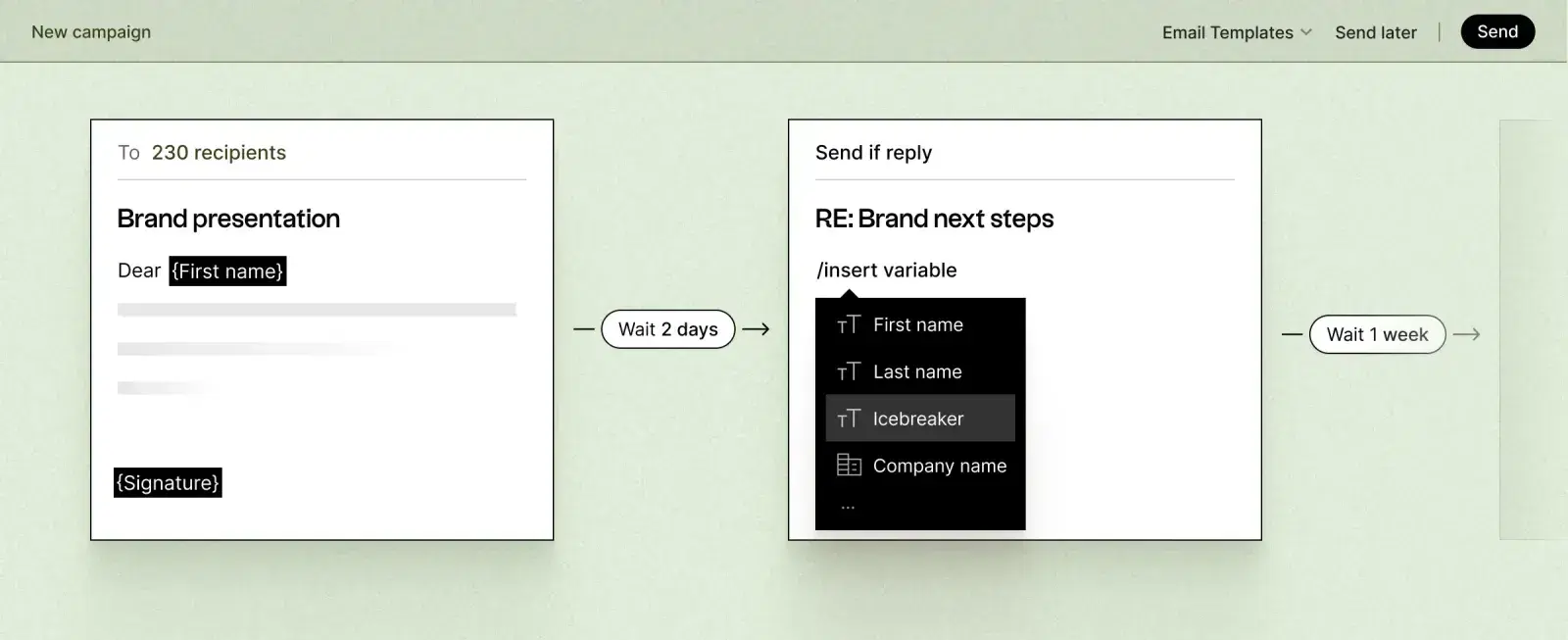
Spaces is a fully managed HNW meeting booking service for independent RIAs. Spaces identifies high-net-worth prospects who match your firm's target profile in the Boston metro area, runs personalised outbound outreach on your behalf, manages all responses, and books confirmed meetings directly into your calendar.
Every prospect who reaches your calendar has confirmed $500,000 or more in investable assets and expressed genuine openness to a wealth management conversation.
Frequently Asked Questions
Does Spaces work specifically in the Boston market?
Yes. Spaces serves Boston, Cambridge, the Route 128 corridor, the western suburbs (Newton, Wellesley, Needham, Weston, Concord), the North Shore, and the broader Greater Boston metro.
What types of HNW prospects can Spaces target in Boston?
Common target profiles include asset management executives at Fidelity, State Street, and Wellington; biotech and life sciences executives; private equity and VC professionals; academic entrepreneurs and faculty; and generational wealth holders with estate planning needs.
Does the sophisticated Boston market require different outreach?
Yes, significantly. Spaces designs outreach that leads with planning expertise and specific relevance — not generic credentials — which is essential for a market populated by financially sophisticated professionals who have a low tolerance for standard advisory pitches.
How long before the first meeting is booked?
Spaces typically launches within two to three weeks and delivers first qualified meetings within 30 to 45 days.
Is there a setup fee?
Reach out to discuss pricing and availability in the Boston market.
Related Reading
- The Independent RIA's Guide to Liquidity Events: How to Turn Founder Wealth into New AUM
- Spaces vs Snappy Kraken: Which Is Better for Independent RIAs in 2026?
- HNW Prospecting for Independent RIAs in New York City
- HNW Prospecting for Independent RIAs in San Francisco
- Inbound vs Outbound for RIAs: Which Grows AUM Faster in 2026?