The Moment a Prospect Decided Not to Buy: How to Recognize and Recover Lost Deals

Bhavya Barot

There's usually a specific moment when a prospect decides not to move forward with an advisor.
It's not always a dramatic objection or an explicit "no." Often it's subtle — a delayed response, a shift in tone, a question that signals doubt. Most advisors miss it. By the time they realize the deal is lost, the prospect has already mentally moved on.
The advisors who recover the most stalled deals are those who recognize the moment a prospect's interest begins to decline — and know exactly how to respond.
The Five Moments When Prospects Decide Not to Buy
Moment 1: The First Response Delay
A prospect expresses interest. You respond 24 hours later. By then, they've already spoken with another advisor or decided the timing isn't right.
The first moment of decision happens in the first few hours after a prospect signals interest. If you miss that window, you've already lost significant ground.
What it looks like: Prospect fills out a form, sends an inquiry, or responds to your outreach. You respond the next day instead of within the hour.
How to recover: Acknowledge the delay honestly. "I should have gotten back to you sooner — my apologies. I'm genuinely interested in [specific context from their inquiry]. Can we schedule a brief call this week?"
The acknowledgment of the delay signals that you recognize the importance of speed, which rebuilds some of the credibility the delay cost.
Moment 2: The Generic Response
You respond quickly, but your response could have been sent to anyone. No reference to their specific situation, no demonstration that you actually read what they wrote, no personalization.
What it looks like: "Thanks for reaching out. I'd love to learn more about your situation. Let's schedule a call."
How to recover: Send a follow-up that demonstrates you actually paid attention. Reference something specific from their original inquiry. Show that you understand their situation. This second message can salvage a generic first impression.
Moment 3: The Misaligned First Conversation
You get a first call scheduled. During the call, it becomes clear that you're not the right fit, or that your approach doesn't match what the prospect is looking for. The prospect doesn't say this explicitly — they just become less engaged.
What it looks like: Shorter answers to your questions. Less follow-up questions from them. Vague responses to your proposals. Delayed responses to your follow-up messages.
How to recover: After the call, send a message that acknowledges the potential misalignment directly. "I sensed during our conversation that [specific concern] might not be something I'm the best fit for. I want to make sure you're working with an advisor who's the right match. If that's not me, I'm happy to recommend someone who might be a better fit."
This honesty often reopens the conversation. Prospects respect advisors who prioritize fit over closing.
Moment 4: The Stalled Follow-Up
After an initial conversation, you send a proposal or next steps. The prospect doesn't respond. You follow up once. Still nothing. You give up.
What it looks like: Proposal sent → no response → one follow-up → silence → you move on.
How to recover: Don't give up after one follow-up. A stalled prospect often needs 3–5 additional touchpoints before they're ready to re-engage. But those touchpoints need to add value or acknowledge the stall directly.
"I haven't heard back on the proposal I sent — totally understand if the timing isn't right. But I wanted to check in because [new relevant context / insight / reason to reconnect]. Happy to discuss further if useful."
Moment 5: The Unaddressed Objection
During a conversation, the prospect raises a concern or objection. You address it in the moment, but the concern lingers. They don't bring it up again, but it's clearly still on their mind.
What it looks like: Prospect asks about fees. You explain your fee structure. They say "okay" but their tone shifts. You move forward as if the concern is resolved, but it's not.
How to recover: Follow up specifically on the objection. "I want to circle back on the fee question from our call. I sensed it was important to you, and I want to make sure I addressed it fully. Here's [additional context / alternative structure / comparison to other advisors]. Does this make more sense now?"
Addressing objections directly, rather than hoping they'll go away, often converts stalled deals.
The Pattern: Why Prospects Go Silent
Most stalled deals follow a pattern:
- Initial interest (prospect reaches out or responds positively)
- First conversation (seems to go well)
- Proposal or next steps sent
- Prospect goes quiet
- Advisor follows up once or twice, then moves on
- Deal is lost
The prospect didn't explicitly say no. They just stopped responding. And the advisor, busy with other clients, didn't persist.
But here's what's actually happening: the prospect is still interested, but they're uncertain. They're comparing you to other advisors. They're thinking about whether the timing is right. They're processing what they heard.
In that uncertain state, the prospect who follows up persistently — with value-added messages, not just "checking in" — is the one who converts.
How to Prevent Deals From Stalling
Speed to Response
Respond to prospect inquiries within the first hour. This single change prevents more stalled deals than any other factor.
Personalization From the Start
Every message should reference something specific about the prospect's situation. This signals that you're genuinely interested, not just working through a list.
Clear Next Steps
After every conversation, explicitly state what happens next and when. "I'll send you a proposal by Friday. You can review it over the weekend, and we'll talk Monday to discuss any questions." This prevents the ambiguity that leads to silence.
Persistent, Value-Driven Follow-Up
When a prospect goes quiet, don't disappear. Follow up with new information, new insights, or new reasons to reconnect. But space these out — one follow-up per week, not multiple per day.
Acknowledge the Stall
If a prospect has been quiet for more than a week, acknowledge it directly. "I haven't heard from you in a bit — which is totally fine if the timing isn't right. But I wanted to check in because [reason]. Let me know if it makes sense to reconnect."
Valora's Role in Preventing Stalled Deals
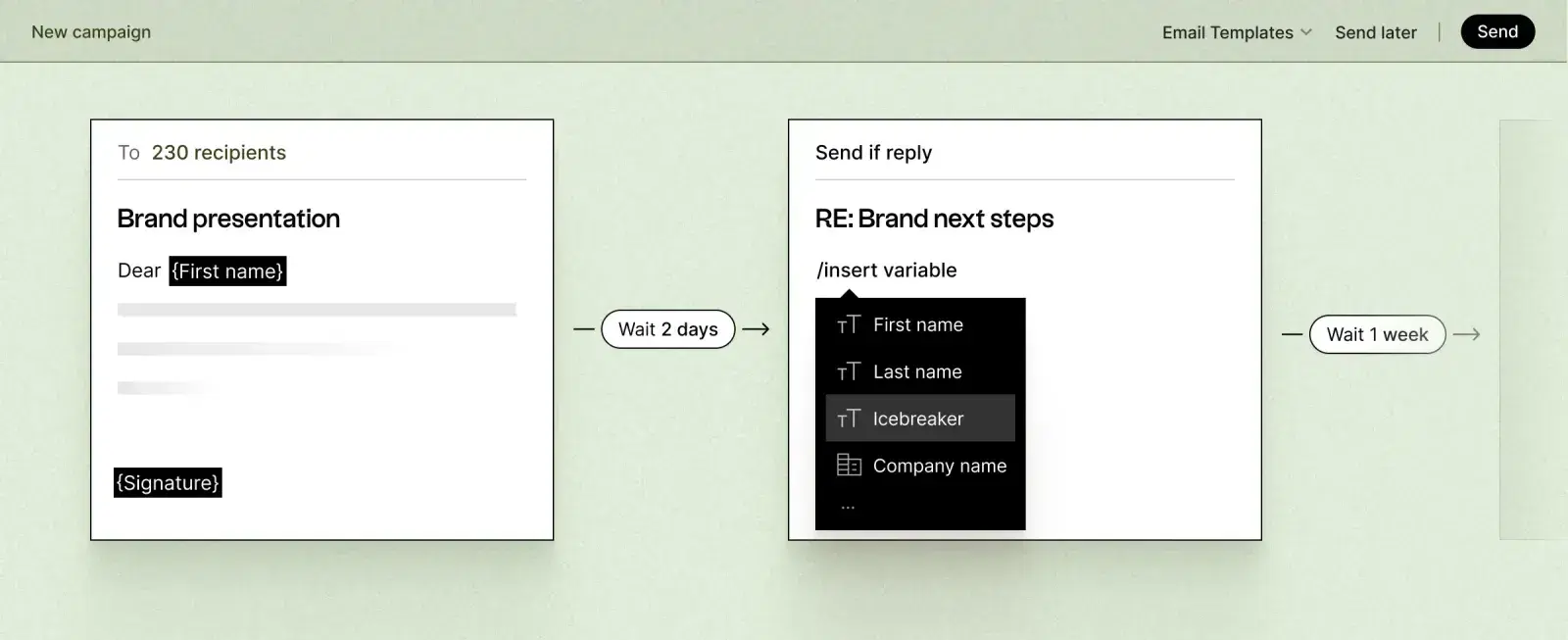
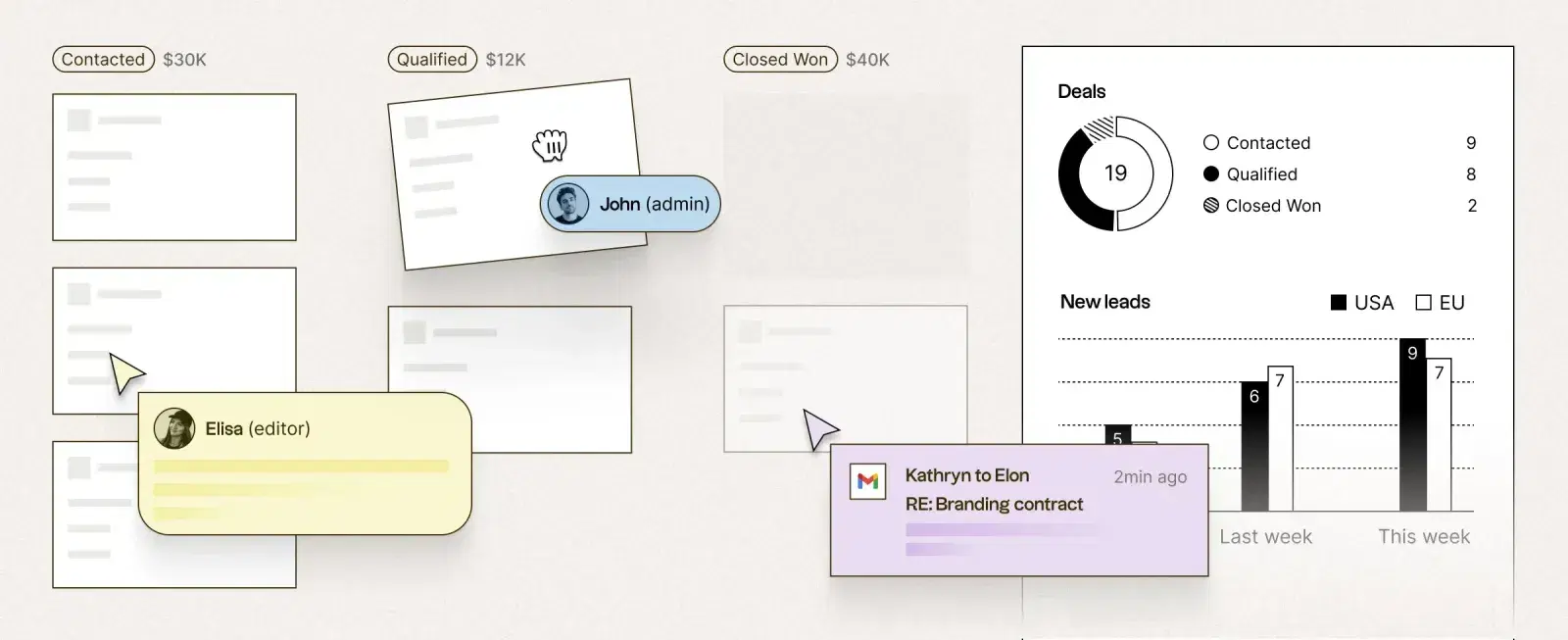
Valora monitors prospect engagement automatically and surfaces the moments when a prospect's interest begins to decline. When a prospect goes quiet after a positive initial conversation, Valora triggers a value-driven follow-up at the optimal moment — with messaging that references the specific context of the prior conversation and adds new relevant information.
This turns the manual, inconsistent follow-up that most advisors do into a systematic, persistent process that recovers deals before they're truly lost.