The Onboarding Problem Nobody Talks About: Why New Clients Leave Before They Start

Bhavya Barot
An advisory firm closes a new client. Everyone celebrates. The deal is done.
Then something happens that most firms don't track carefully: a percentage of those new clients never actually start. They sign the agreement, they schedule the first meeting, and then they go quiet. By the time the firm realizes what's happening, the relationship is already lost.
This isn't a sales problem. It's an onboarding problem. And it's costing advisory firms a significant percentage of their new client revenue before the relationship even begins.
The Onboarding Gap
The moment a prospect says yes to working with an advisor is not the end of the sales process. It's the beginning of a critical transition period where the prospect moves from "I've decided to work with this advisor" to "I'm actually engaged and committed to this relationship."
That transition is fragile. And most advisory firms don't manage it systematically.
What typically happens:
- Prospect agrees to work with the firm. Agreement is signed. Everyone is excited.
- Silence. The advisor is busy with existing clients. The new client is waiting for next steps. Nobody clearly communicates what happens next or when.
- Prospect gets anxious. They're not hearing from the firm. They're wondering if they made the right decision. They start second-guessing.
- Prospect reaches out to a competitor. While waiting, they talk to another advisor. That advisor is more responsive. The prospect decides to work with them instead.
- Firm loses the client. The relationship that was "closed" is now lost — before it ever started.
This happens more often than most advisory firms realize. And it's almost entirely preventable.
Why Onboarding Fails
Lack of Clear Next Steps
After a prospect agrees to work with the firm, they don't know what happens next. When will they hear from the advisor? What should they prepare? What's the timeline for the first real meeting?
Without clear communication, the prospect assumes nothing is happening and starts to worry.
Slow Response Times
A new client reaches out with a question or to schedule their first meeting. The response takes 2–3 days. By then, the prospect has already contacted a competitor and is exploring other options.
New clients are in a heightened state of decision-making. They're evaluating whether they made the right choice. Slow responses during this period signal that the firm isn't as responsive or committed as they thought.
No Dedicated Onboarding Process
Most advisory firms don't have a systematic onboarding workflow. Each advisor handles new clients differently. Some are responsive and proactive. Others are slow and reactive. The experience is inconsistent, and many new clients fall through the cracks.
Competing Priorities
Existing clients generate revenue. New clients are a future revenue source. When an advisor is busy with existing client work, new client onboarding gets deprioritized. The new client waits while the advisor handles existing client issues.
Unclear Value Delivery
The new client doesn't understand what they're paying for or what they should expect. The first meeting is scheduled, but they don't know what to prepare or what the meeting will accomplish. This uncertainty creates anxiety and second-guessing.
What Effective Onboarding Looks Like
Immediate Confirmation and Next Steps
Within 24 hours of a prospect agreeing to work with the firm, they receive a confirmation message that:
- Thanks them for choosing the firm
- Clearly outlines what happens next
- Specifies when they'll hear from the advisor
- Explains what they should prepare
- Provides a contact for any questions
This message eliminates uncertainty and confirms that the firm is organized and responsive.
Pre-Meeting Preparation
Before the first real meeting, the new client receives:
- A brief overview of what the meeting will cover
- A simple questionnaire or information request to gather context
- Any documents they should review or bring
- Clear logistics (date, time, location or video link)
This preparation ensures the first meeting is productive and signals that the firm takes the relationship seriously.
Rapid Response to New Client Inquiries
New clients who reach out with questions or to schedule meetings get responses within 4 hours. This is the period when they're most likely to be comparing advisors. Fast responses keep them committed to the firm.
Clear Value Delivery in the First Meeting
The first meeting isn't a sales conversation. It's a working meeting where the advisor demonstrates understanding of the client's situation and outlines a clear plan for what comes next.
The client leaves the meeting knowing:
- What the advisor understands about their situation
- What the plan is for the next 30–90 days
- What they should expect from the relationship
- When they'll hear from the advisor next
Consistent Follow-Through
After the first meeting, the advisor delivers on every commitment made. If they said they'd send something by Friday, it arrives Friday. If they said they'd schedule a follow-up call, it's scheduled promptly.
Consistency during onboarding builds trust and confirms that the client made the right decision.
The Cost of Poor Onboarding
A typical advisory firm might close 20 new clients per year. If 15–20% of those clients are lost during onboarding before they ever become active, that's 3–4 clients per year — or $300K–$500K in annual revenue, depending on average client size.
That's not a small number. And it's almost entirely preventable with a systematic onboarding process.
Building a Systematic Onboarding Process
Step 1: Define the onboarding workflow. Map every touchpoint from "prospect says yes" to "client is fully onboarded and actively engaged." Include timelines, responsible parties, and success criteria.
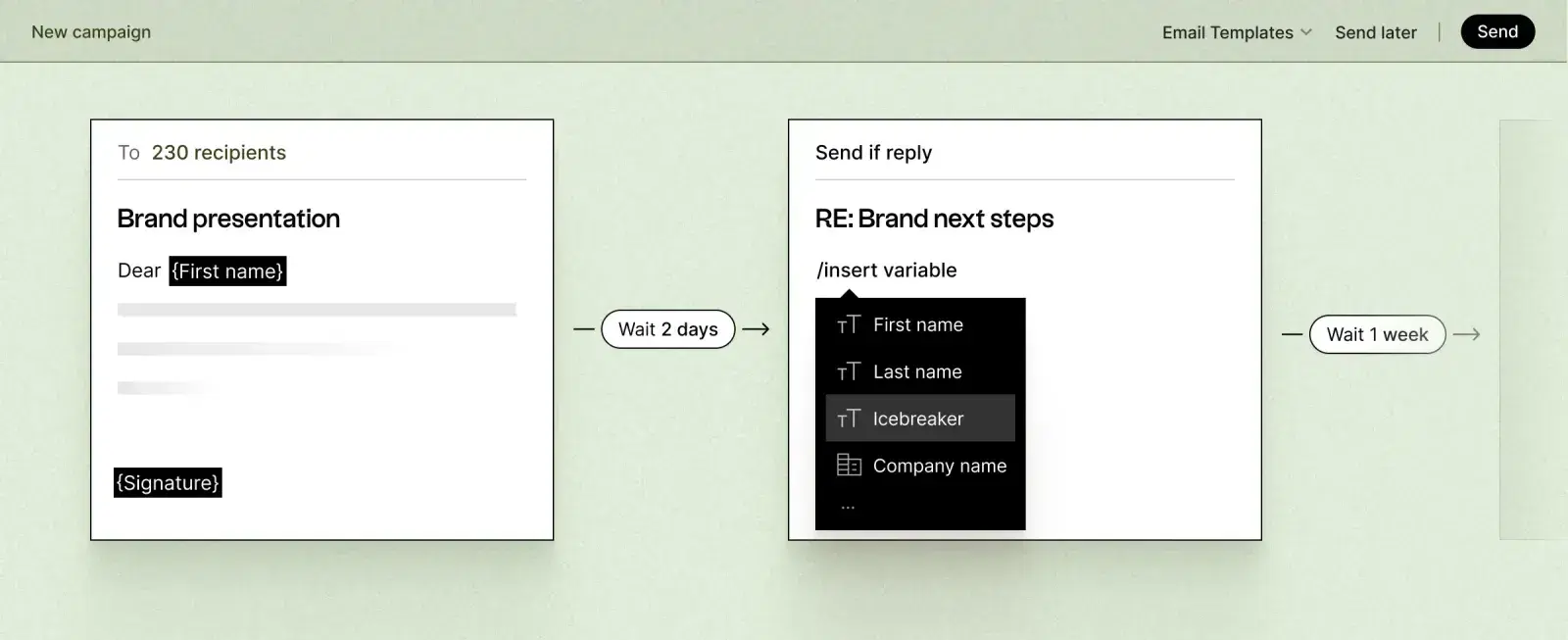
Step 2: Automate the routine parts. Confirmation messages, information requests, scheduling, document delivery — these can all be automated. Automation ensures consistency and speed.
Step 3: Assign a dedicated onboarding owner. Someone needs to be responsible for ensuring new clients move through the process smoothly. This person monitors for delays and escalates issues.
Step 4: Measure and optimize. Track how many new clients complete onboarding, how long it takes, and at what points clients are most likely to drop off. Use this data to improve the process.
Step 5: Train the team. Every advisor and staff member involved in onboarding needs to understand the process and their role in it. Consistency across the team is critical.
Valora's Role in Onboarding
Valora can manage the routine onboarding communications — confirmation messages, information requests, scheduling, document delivery, and follow-up reminders. This ensures that new clients receive consistent, timely communication throughout the onboarding period, freeing advisors to focus on the high-value work of building the relationship.
The result is faster onboarding, fewer clients lost in the transition, and a better experience for new clients from the moment they say yes.
See how Spaces helps advisory firms systematize new client onboarding.