How to Personalize LinkedIn Messages at Scale With AI (Without Sounding Like a Bot)

Bhavya Barot
The fundamental tension in LinkedIn prospecting at scale is this: personalization works, but personalizing hundreds of messages manually is impossible.
Template-based outreach is fast but ineffective. Manually personalized outreach is effective but doesn't scale. For years, advisors have had to choose between one or the other.
AI has changed that equation. Modern AI can generate genuinely personalized messages at scale — messages that reference specific details about each prospect, their professional situation, and why an advisory conversation would be relevant to them specifically. The result is outreach that feels personal because it actually is personal.
The key is understanding what AI can do well, what it can't, and how to use it to enhance human judgment rather than replace it.
Why Template Personalization Fails
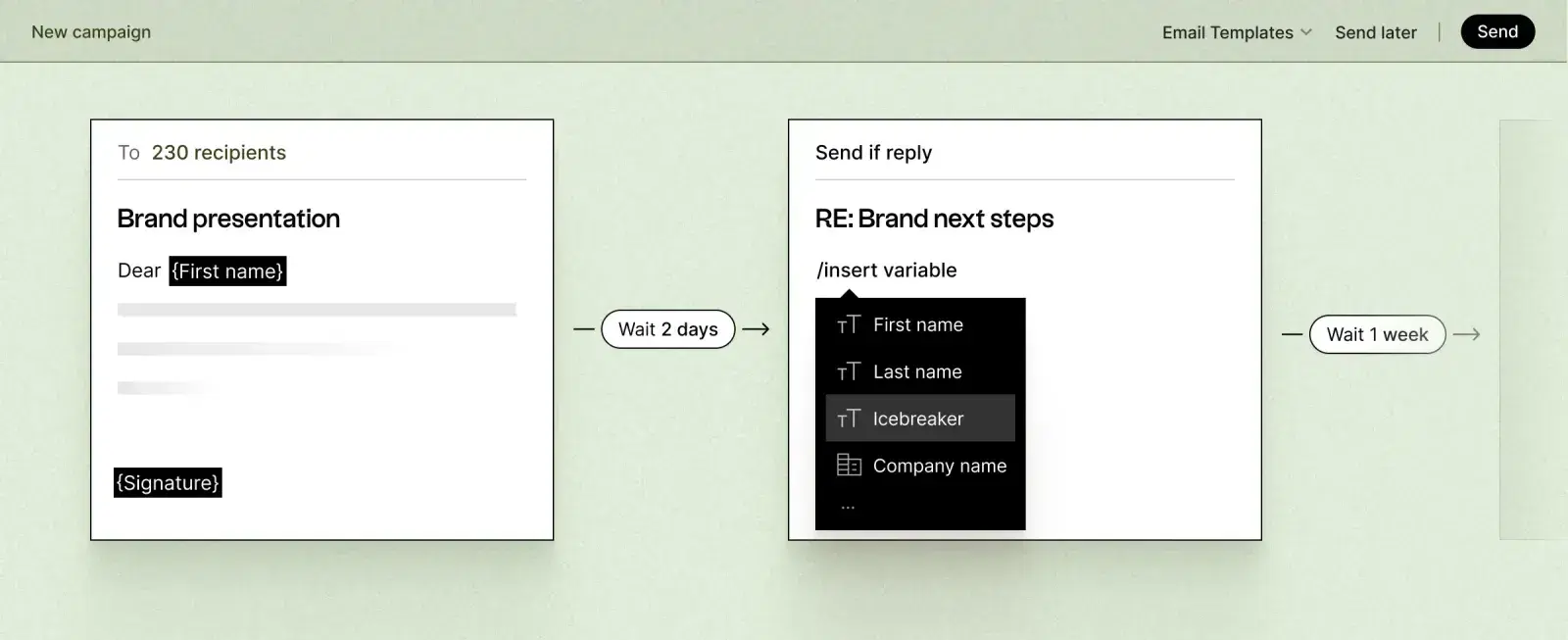
Most "personalized" outreach is actually template personalization: a generic message with a first name and company name swapped in.
*"Hi [First Name], I came across your profile and was impressed by your background at [Company]. I'd love to connect and learn more about your work."*
Every prospect sees through this immediately. The message could have been sent to anyone. It demonstrates no actual knowledge of the prospect's situation. Response rates are predictably low.
Template personalization fails because it's not actually personalization. It's just mail merge.
What AI-Powered Personalization Actually Does
Real AI personalization works differently. Instead of starting with a template and filling in blanks, it starts with research on each individual prospect and generates a unique message based on that research.
For each prospect, AI can:
- Review their professional background and identify relevant context (role, industry, company stage, career trajectory)
- Analyze recent activity (posts published, content engaged with, job changes, company news)
- Identify wealth signals (company funding, acquisitions, IPO activity, professional transitions that correlate with financial decision-making)
- Understand their specific situation (what financial decisions are they likely facing right now based on their professional context?)
- Generate a unique message that references this specific context and explains why an advisory conversation would be relevant
The result is a message that feels personal because the research behind it is real. It references something specific about the prospect's situation, not just their name and company.
How AI Personalization Works in Practice
The Research Phase
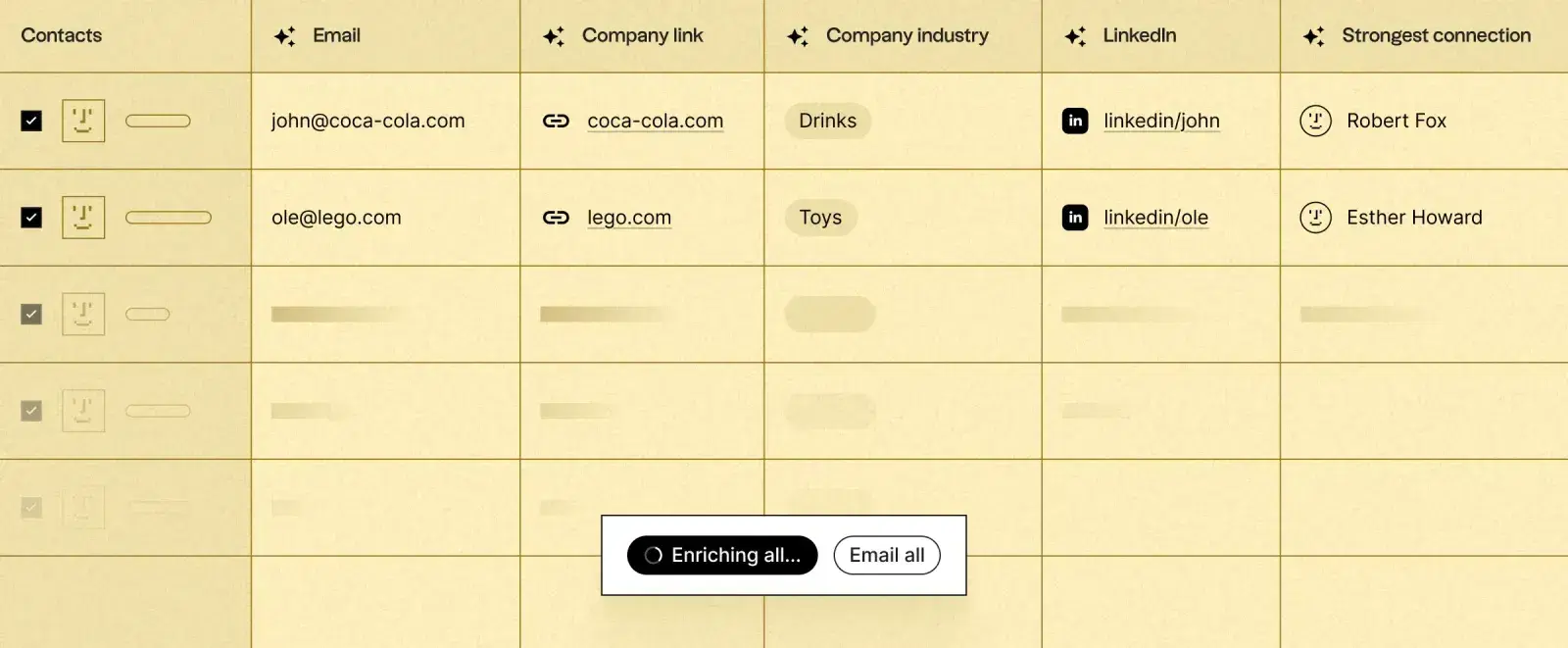
Before any message is written, AI gathers information about the prospect:
- LinkedIn profile review (role, background, tenure, recent activity)
- Company context (stage, size, recent news, industry)
- Wealth signals (funding rounds, acquisitions, IPO status, executive transitions)
- Behavioral signals (content engagement, professional focus areas)
- Timing signals (job changes, company milestones, life stage indicators)
This research is conducted automatically for every prospect in your pipeline — something that would take 10–15 minutes per person to do manually.
The Message Generation Phase
Based on this research, AI generates a message that:
- Opens with something specific about the prospect's situation (not generic)
- Explains why the topic is relevant to them specifically
- Demonstrates genuine knowledge of their professional context
- Proposes a low-friction next step
- Sounds like it came from a real advisor, not a system
Example:
*"Hi Sarah — I noticed you recently joined [Company] as VP of Operations. Transitions into growth-stage companies often come with important financial decisions around equity vesting, tax optimization, and wealth diversification. I work with executives navigating similar moments and thought there might be value in a brief conversation. No pressure — just wanted to reach out. Happy to connect if useful."*
This message:
- References a specific recent change (job transition)
- Explains why it's relevant (equity and tax decisions that come with the role)
- Demonstrates knowledge of her situation
- Proposes a low-friction conversation
- Sounds like a real person, not a template
The Critical Difference: AI-Assisted vs. AI-Generated
There's an important distinction between AI that assists human judgment and AI that replaces it.
AI-assisted personalization: AI generates a draft message based on research. A human advisor reviews it, makes adjustments, and approves it before sending. This maintains quality control and ensures the message aligns with the advisor's voice and approach.
AI-generated personalization: AI generates and sends messages automatically with no human review. This is faster but risks quality issues, tone misalignment, and compliance problems.
For advisory prospecting, AI-assisted is the right approach. The AI does the heavy lifting of research and initial message generation. The advisor maintains oversight and control.
What Makes AI Personalization Effective
Specificity
The message references something real and specific about the prospect, not generic characteristics. Generic messages get ignored. Specific messages get responses.
Relevance
The message explains why an advisory conversation is relevant to this prospect's specific situation right now. Not "I help people with financial planning" but "I work with executives in your situation who are navigating [specific decision]."
Authenticity
The message sounds like it came from a real advisor thinking about this prospect's situation, not a system generating messages. This requires AI that can write naturally, not in the stilted language of many automated systems.
Appropriate Timing
The message arrives at a moment when the prospect is likely to be receptive — after a job change, after company news, after they've engaged with relevant content. Timing + relevance + specificity = response.
The Advisor's Role in AI-Personalized Outreach
AI handles the research and message generation. The advisor handles:
- Defining the positioning: What specifically do you offer? What problems do you solve? How do you differentiate?
- Reviewing and approving: Does the generated message align with your voice and approach? Does it accurately represent your offering?
- Handling responses: When a prospect responds, the advisor takes over the conversation entirely. The relationship moves from AI-assisted to human-led.
- Adjusting based on feedback: If certain message approaches aren't working, the advisor provides feedback that improves future message generation.
This division of labor is what makes AI-personalized outreach work at scale. The AI does what it's good at (research and message generation). The advisor does what they're good at (relationship building and closing).
Valora's Approach to AI Personalization
Valora generates personalized LinkedIn messages based on real-time research on each prospect. She conducts the research, generates a unique message for each prospect, and can send it directly or present it for advisor review and approval before sending.
The personalization is genuine because it's based on real research, not templates. The messages sound authentic because they're generated by AI trained on thousands of effective advisor conversations, not by a template engine.
See how Spaces powers personalized LinkedIn outreach at scale for RIAs.