Get stranded drivers to the right dispatcher in one message
A driver with a dead car does not want a menu. They want someone to know where they are and when help will come.
Spaces connects the messaging account they already write to, so an AI agent can read each message and reply in the same chat, gather the location and vehicle details and pass it to your dispatcher.
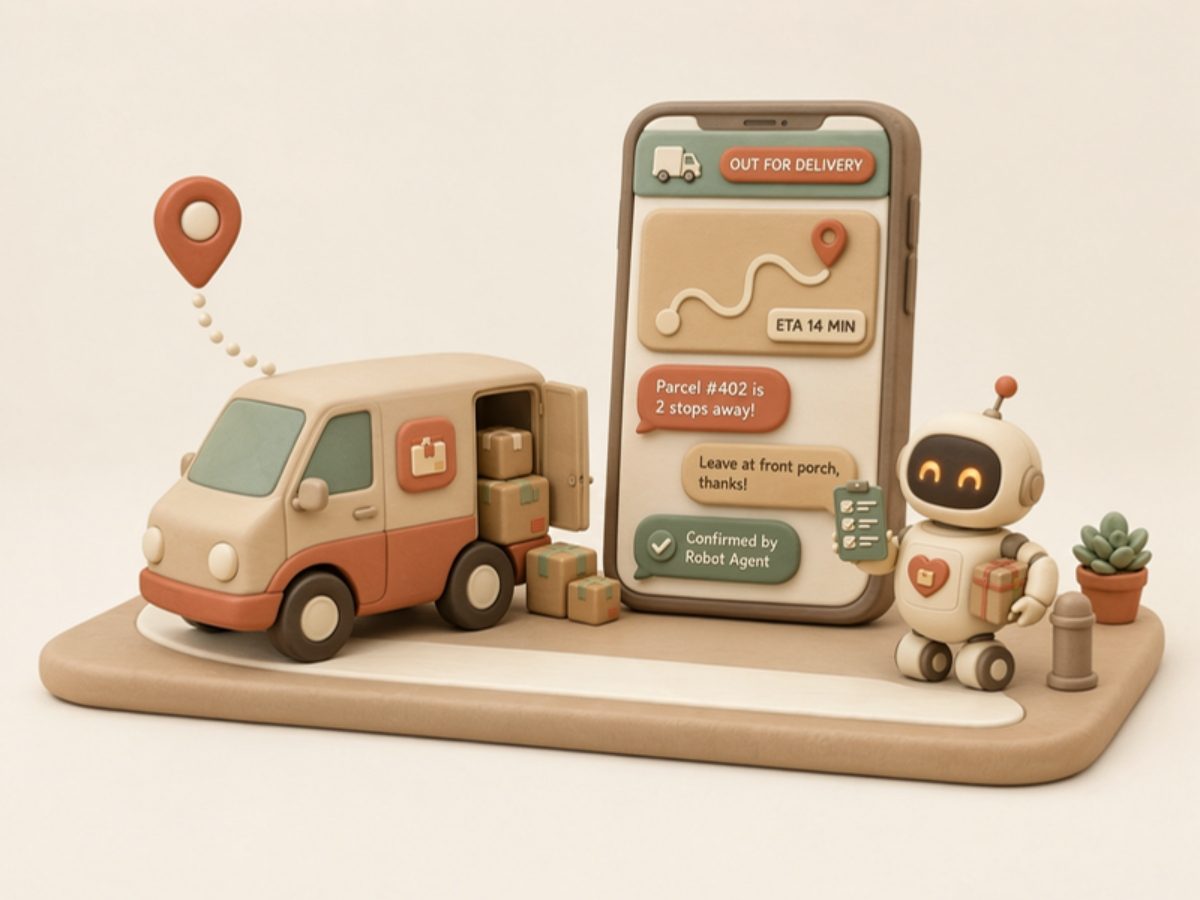
- Stranded drivers write with little detail, so the agent's first job is to ask for location, vehicle and safety status.
- Impound and storage customers ask about fees, release hours and what to bring.
- Any driver in a dangerous place or a collision goes to a person and emergency services at once.
- The agent can use your dispatch board if you give it access through its own tools.
- Spaces is for people who write to you or expect to hear from you, never for cold outreach.
This page covers motor vehicle towing and other road support, such as impound yards, roadside assistance and the operators of tolled roads, bridges and weigh stations.
The agent handles the intake and the routine questions, and your dispatcher decides every call about timing, safety and price.
- Industry group
- NAICS 4884
- Part of
- Transportation and Warehousing / Support Activities for Transportation
- Last updated
Here is one conversation, start to finish.
An example of how an AI agent handles a message in support activities for road transportation. The names and details are made up.
Who writes to a tow or roadside business
Drivers write from the hard shoulder, a car park or a driveway. Motor clubs and insurers write with a job for your trucks. Property managers write about a car left in a bay. Police and private lot owners write about vehicles to be moved.
Others come later. Someone whose car was towed asks where it is. A fleet manager asks for a standing rate. A tolled road user asks about a payment notice.
Intake that saves dispatch minutes
Dispatchers spend much of a call asking the same things. The agent can ask them in chat while the driver waits: where exactly are you, what is the vehicle, what is wrong, are you safe, what is your number.
It then hands a complete job to the dispatcher, who sets the price and the arrival time. The driver gets an immediate reply and your office avoids a wave of repeated questions.
- Location with a landmark or shared pin
- Vehicle make, colour, plate and the problem
- Whether the driver is somewhere safe
- A contact number and any special access, such as a car park barrier
Impound, storage and road operators
Impound yards get questions about fees, hours and documents. Give the agent your tariff as you publish it, the release hours and the list of documents a person needs to collect a vehicle.
Road operators, such as toll bridges and weigh stations, get questions about notices, payment and opening times. The agent can explain the process and pass disputes to your customer team.
What always goes to a person
A driver on a live lane, in a collision, with a medical issue or in a place that feels unsafe needs your dispatcher and emergency services. The agent hands over and says so.
Price quotes, release of a vehicle to someone who is not the owner, damage claims, police-ordered tows and any dispute about a charge also go to a person.
Keep the tone calm and short. A driver on the roadside is stressed, so the agent asks one thing at a time, uses plain words and always says what happens next and who will contact them.
Weather, nights and weekends
Snow, ice and heavy rain multiply the jobs. Friday and Saturday nights bring different calls. Holiday weekends bring long-distance breakdowns.
Tell the agent your service area and expected waiting times as they change. It can then set honest expectations while the dispatcher assigns trucks.
Starting simply
Start with intake alone. Let the agent gather the details and pass the job to a dispatcher for two weeks.
Add impound and fee questions after that, and keep the safety hand-over rules in place from day one.
What does an agent actually see?
Examples of first messages to businesses in support activities for road transportation. They are illustrations, not real conversations.
- Maya R.My car wont start in the parking lot at the retail park on Dale Street. Can someone come?
- Tom B.I am on the hard shoulder with a flat tyre and no spare. Are you able to help?
- Priya S.My car was towed from outside my flat last night. Where is it and what do I need to collect it?
- Daniel K.How much do you charge to store a vehicle for a week?
- Amara O.A car has been blocking our private bay since yesterday. Can you remove it?
- Maya R.Our company has twelve vans and wants a standing arrangement for breakdowns. Who do I speak to?
- Tom B.My battery died at the top of the multi-storey car park. Do you carry jump packs?
- Priya S.I received a toll notice but I did not use the road. Who can look at it?
What always goes to a person.
Your agent answers what it can and hands the rest to someone on your team. These are the conversations to hand over every time.
Drivers in danger, in a collision or unwell
Price quotes and arrival time promises
Releasing a vehicle to anyone but the verified owner
Police-ordered tows and legal holds
Damage claims and charge disputes
Fleet contracts and motor club or insurer arrangements
- Motor Vehicle Towing
- Other Support Activities for Road Transportation
Thirty free tools for towing and roadside help businesses.
Checklists, ready-to-send messages, scorecards and calculators. They run in your browser and send nothing anywhere.
- First-reply checklist for towing and roadside help businesses
- Hand-over rules checklist for towing and roadside help businesses
- First-week checklist for towing and roadside help businesses
- Weekly chat review checklist for towing and roadside help businesses
- Busy-season checklist for towing and roadside help businesses
- Customer privacy checklist for towing and roadside help businesses
- Do and don't guide for your agent: towing and roadside help businesses
- Greeting messages for towing and roadside help businesses
- All 30 tools
Questions, answered.
01Can the agent dispatch a truck?
No. It gathers the details and hands them to your dispatcher, who assigns the truck and gives the price and arrival time.
02What if someone shares a live location?
It can pass on whatever location the customer sends, and the dispatcher uses it. The agent never claims to know where a truck is unless your system says so.
03How does it handle impound questions?
It answers from your tariff, hours and document list. Release decisions remain with your staff.
04Can the agent help at night?
It can gather details and set expectations from your written rules. Urgent cases follow your on-call route.
05Can we message drivers after a job?
Yes, for customers who wrote to you and expect to hear from you about that job. Spaces rules out bulk and cold messages.
06Does it work for toll or bridge operators?
Yes, for process questions. Disputes about charges go to your customer team.
07Can it give an arrival time?
Only the time your dispatcher gives it. The agent does not estimate, so customers get a number from someone who knows where the trucks are.
Closer guides for specific businesses.
Logistics and delivery
Let an AI agent answer delivery questions, confirm time windows and check addresses with the customers who are expecting a parcel. Customer-started conversations only.

Supermarkets
Let an AI agent answer the messages shoppers send your store about stock, hours and order pickup. Customer-started conversations only.

Restaurants
Let an AI agent answer guests' messages about bookings, menus, hours and takeaway, in the chat they started.

Retail stores
Let an AI agent answer customers' messages about sizes, stock, store hours and reserve-and-collect, in the chat they started.

Online stores
Let an AI agent answer order, delivery, return and sizing questions from your customers in the chat they started.

Salons
Let an AI agent answer clients' booking, rescheduling and price questions in the chat they started, while you're with a client.